
4 case studies
Factory relocation and consolidation
Capital Purchase
Operational Improvement
Managing growth and Capacity Expansion
Factory Relocation
The Challenge
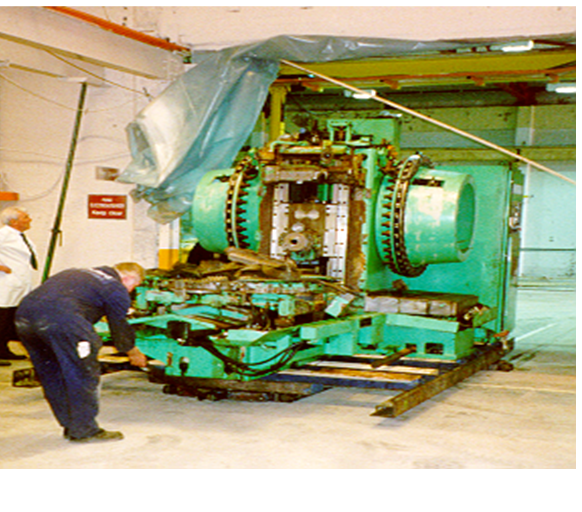
A medium sized operation within a much larger organisation was working out of a remotely sited facility and was struggling to maintain profitability due to high overheads and limited investment. The choices were to cease trading, sell the business or relocate it to one where significant area had been created through layout savings from previous lean projects.
What I did
Cleared the area in the receiving factory for the transfer and led the transfer project, including; workforce transition, training, civil works, design of new layout and facilities and relocating 55 machines between the factories and 64 internally.
Outcome
Supplies were maintained for the £25M (todays value) facility throughout the 6 months project. The occupied area reduced by 75% and the overhead largely absorbed into the receiving site reducing non-material operating cost by 60%.
Capital Purchases
The Challenge
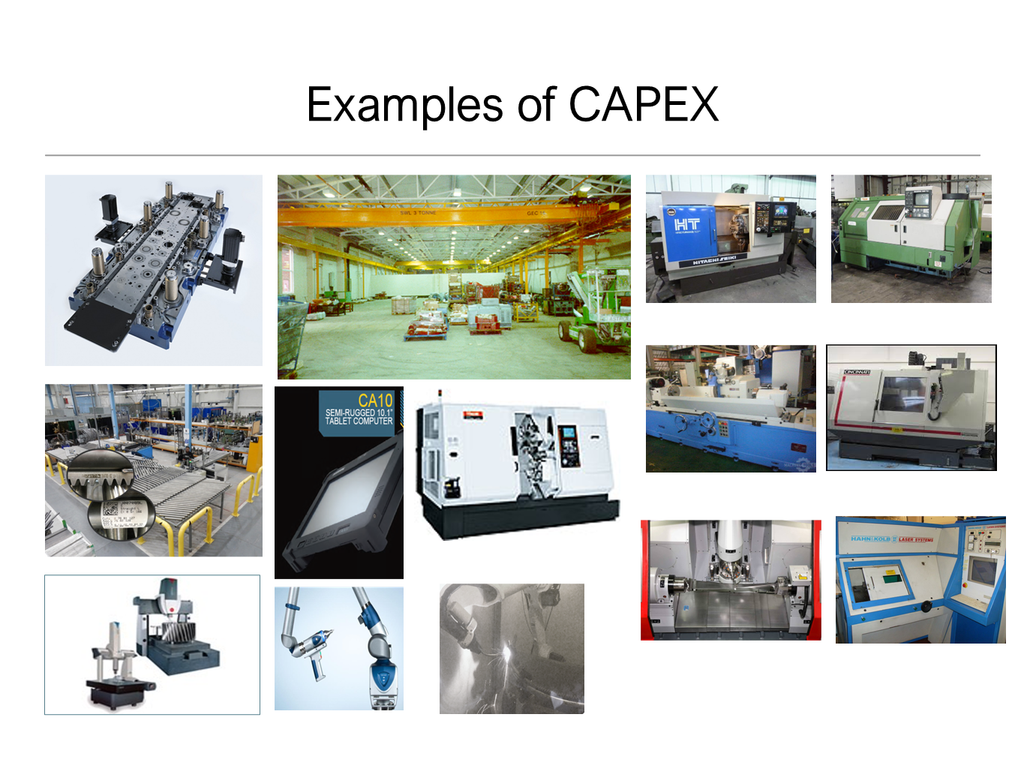
A particular bottle neck in the supply of electric motors was the supply of nameplate due to the variety required by customers for their own projects. This carried disproportionate cost due to silk screen printing the template then vibro etching. Nameplates cost on average 25p plus labour to engrave, which with labour was over £1500pw. Typically 100 returned per week for quality reasons.
What I did
Developed a specification and worked with manufacturers to find the best automated process. This led to a laser etching system that produced the same number of nameplates from a single blank and as a bonus could produce any logo the customer desired.
Outcome
The lead-time was reduced from 10 to 1 day, the cost per week reduced to under £500pw with additional annual savings of £15K while the customers experienced a perceived improvement. The technology paid for itself in a year and won 2 more customers!
Operational Improvement
The challenge
A volume production facility manufactured 3500 units a week over 4 product (sizes) from a single line. 75 days of work in process on the line and an average of a week overdue, with a 6-week lead-time. Cost was primarily material (2/3) and labour (1/3) which was roughly the same for competitors. If lead time could be reduced it would give competitive advantage.
What I did
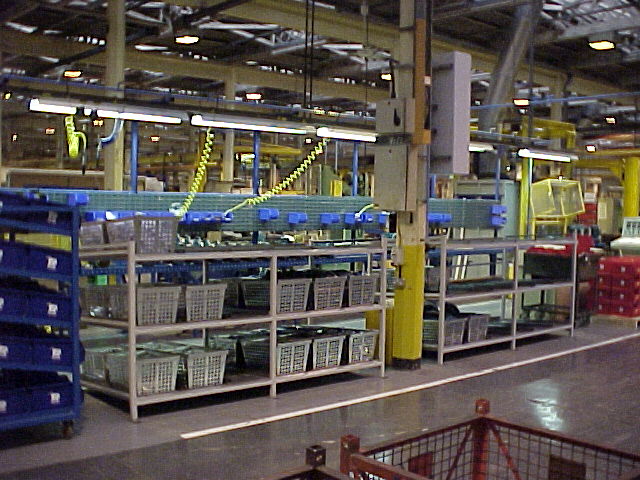
With a team designed a new layout for each product on a separate cell with operations balanced to the takt time. The cell was supplied by continuous replenishment systems like kanban and direct line feed. All set-up times reduced to fit within the cell’s operation without stopping.
Outcome
Distance travelled for parts reduced from 3200m to 34m, lead-time from 6 weeks to 4 days, COPQ reduced by 50%, inventory by 89%. Massive competitive advantage enabling profitable growth and further investment.
The Challenge
A growing manufacturing business had achieved significant increases in customer demand through market-leading lead-times and service. Continued growth was beginning to place pressure on production capacity, management resources and operational performance, creating a risk that customer service levels could be compromised if the business was unable to scale effectively.
What I Did
Led the development of a growth and capacity strategy covering people, processes and technology. This included evaluating manufacturing constraints, creating an investment roadmap, strengthening management capability, recruiting apprentices to support future growth and introducing new manufacturing technologies targeted at the key operational bottlenecks. The programme aligned capacity expansion with customer requirements while maintaining a focus on quality, delivery performance and profitability.
Outcome
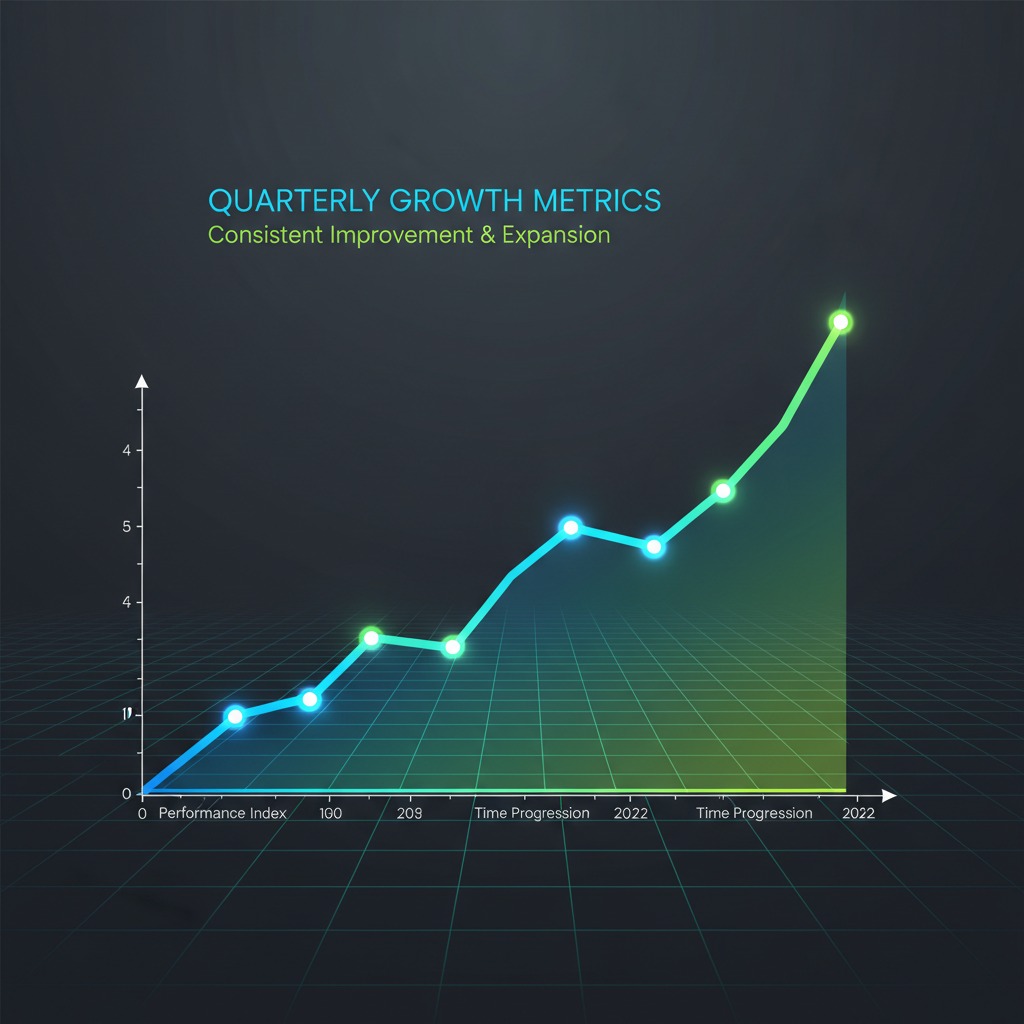
The business successfully increased manufacturing capacity while maintaining its market-leading lead-times. Investment in automation and advanced manufacturing technology improved product quality and customer satisfaction, whilst targeted development of the management team and workforce created a sustainable platform for future growth. Enhanced planning and scheduling systems enabled the business to respond rapidly to customer demand, with some products progressing from order to installation in as little as five days.